

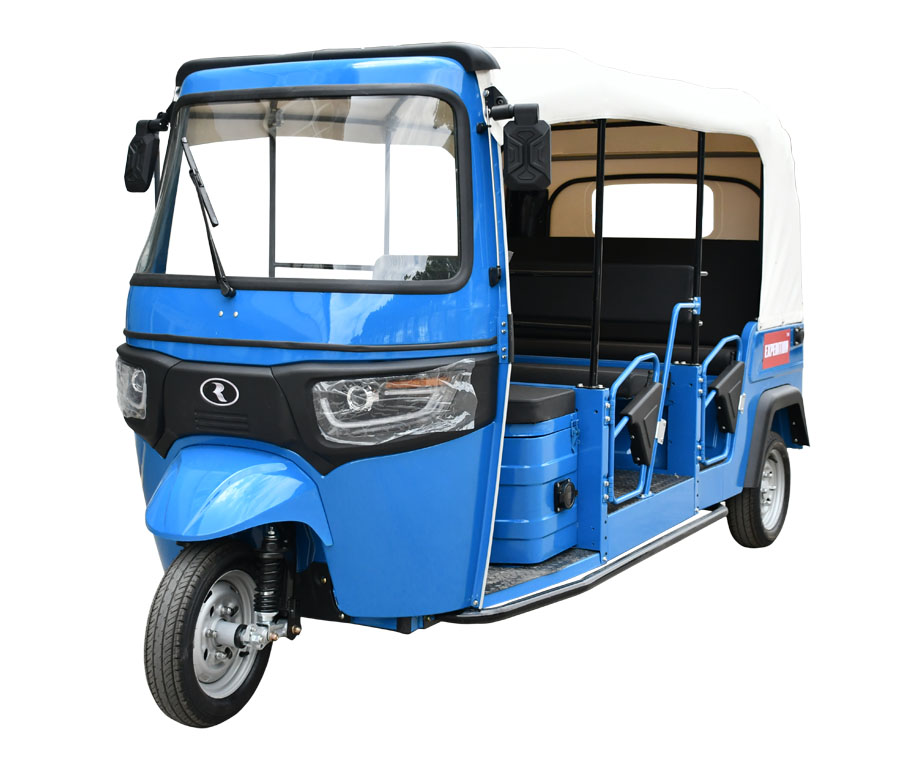
1. The "Familiar Yet Futuristic" Appeal
Traditional tuk tuks are already a beloved mode of transport in many Asian, African, and Latin American cities. SKYDNG’s electric version keeps the familiar three-wheeled design but upgrades it with clean energy—making it an easy sell to both drivers and passengers. People trust what they recognize, and this smooth transition from gas to electric reduces resistance to adoption.
2. The Silent Advantage (Literally!)
One underrated benefit of electric tuk tuks? Noise reduction. In crowded markets and residential areas, the constant rattle of gasoline engines contributes to noise pollution. SKYDNG’s near-silent operation improves the urban experience, making it a favorite for eco-conscious cities and tourism-heavy zones.
3. The "Micro-Entrepreneur" Effect
In emerging economies, tuk tuks are more than transport—they’re income generators. SKYDNG’s models (check them out at www.skydng.com) offer lower operating costs than fuel-based alternatives, meaning drivers keep more profit. This creates a ripple effect: more drivers switch to electric, cities become cleaner, and local economies thrive.
4. Last-Mile Delivery Potential
Beyond passengers, SKYDNG’s tuk tuks can be adapted for urban logistics. With e-commerce booming, compact electric trikes are perfect for last-mile deliveries in narrow streets where trucks can’t go. This dual-purpose functionality expands the market beyond traditional transport.
Conclusion: Why HSHNEV is Ahead of the Curve
While many companies focus solely on tech specs, SKYDNG understands the human and economic factors driving electric vehicle adoption. By blending familiarity, affordability, and versatility, their electric tuk tuks aren’t just vehicles—they’re catalysts for smarter, greener cities.
Ready to see the future of urban mobility? Explore SKYDNG’s range at www.skydng.com today!

Comments
Reply Comment